Follow Me On Social Media!
Sourdough Cinnamon Rolls: A Complete Guide

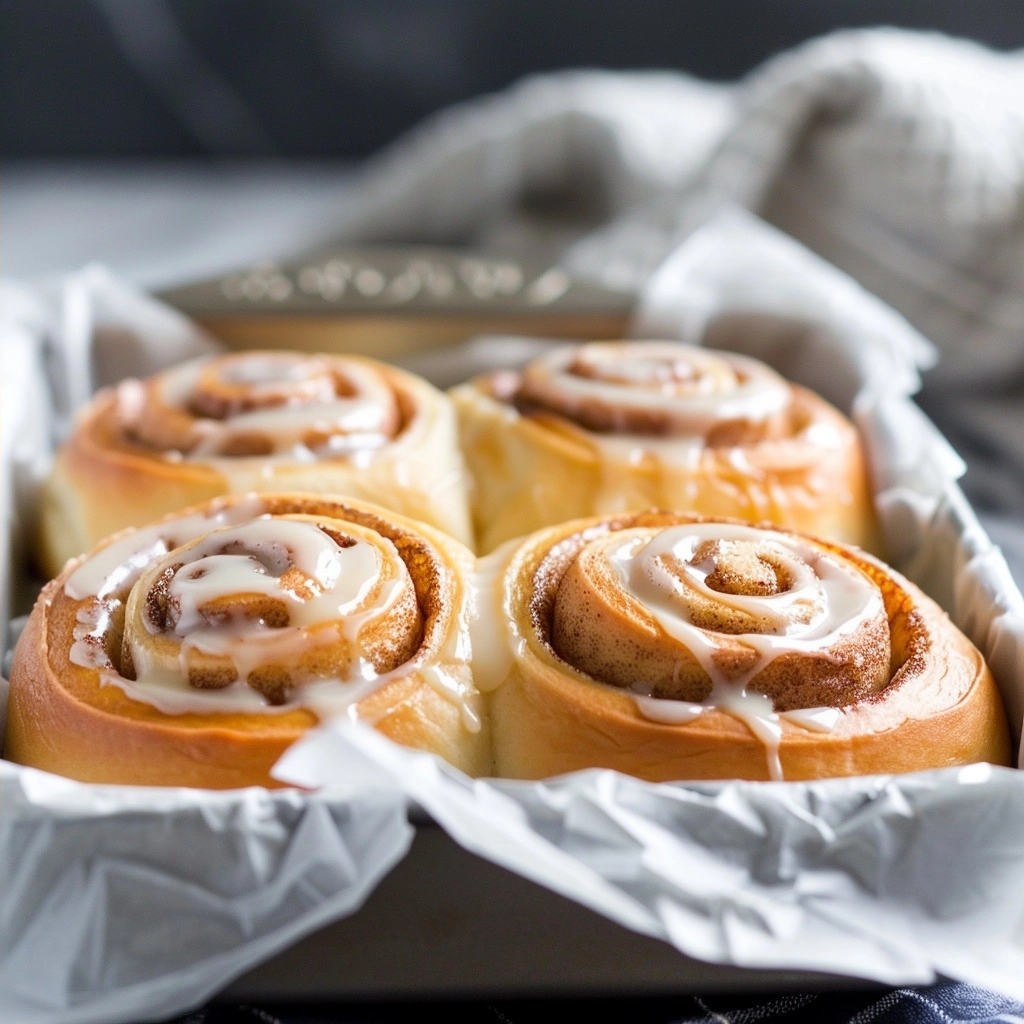
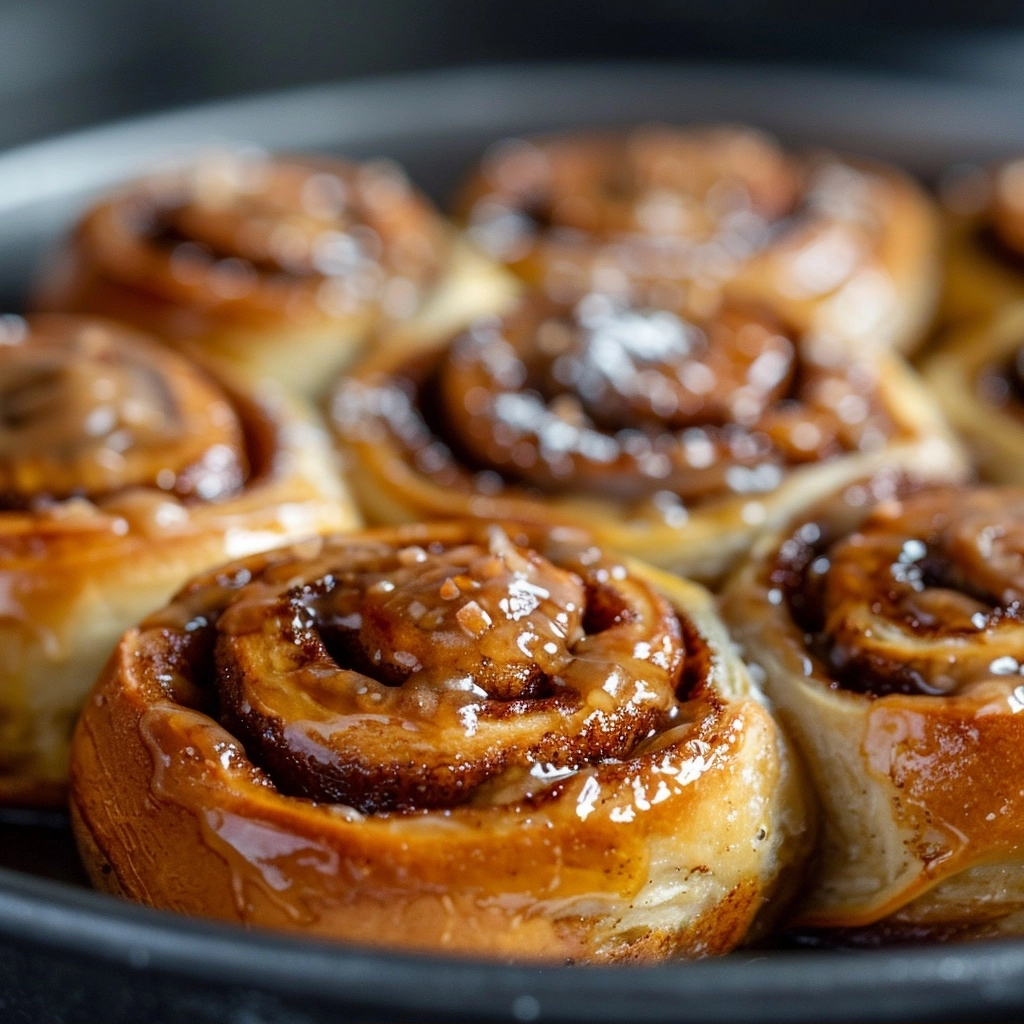
Master the art of crafting exceptional sourdough cinnamon rolls with this detailed guide. These delightful pastries offer a perfectly tender crumb and a signature tang, elevated by a rich cream cheese frosting. This recipe ensures a rewarding baking experience.
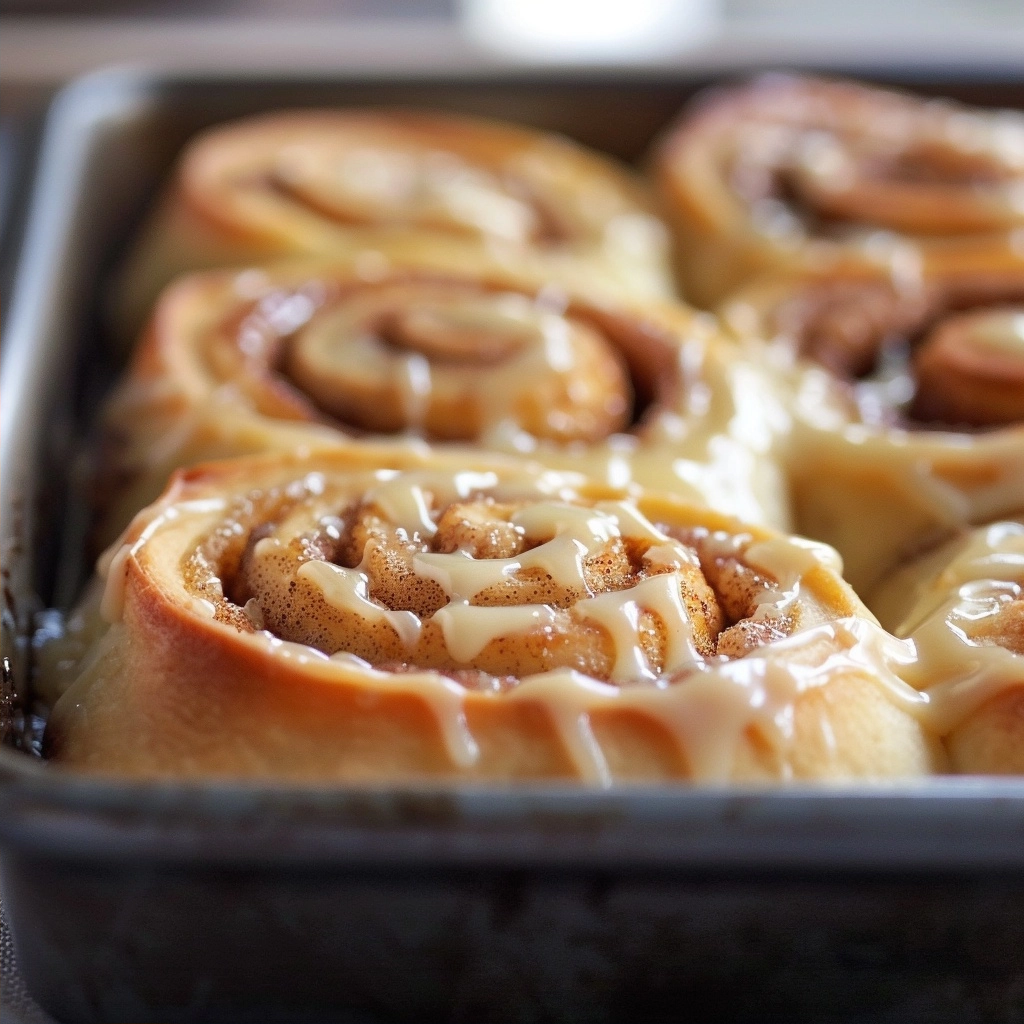
Achieving the ideal balance of chewiness and softness in sourdough creations relies on understanding the starter. A well-maintained, active starter provides the yeasting power and the characteristic complex flavor that distinguishes sourdough from conventional baked goods. This guide will navigate you through every essential step.
Recipe Overview
| Prep Time | Cook Time | Total Time | Servings | Difficulty | Cuisine |
|---|---|---|---|---|---|
| 45 minutes (plus starter feeding and dough rising) | 20-25 minutes | 8-12 hours (mostly inactive rising time) | 12-16 rolls | Intermediate | American |
Why This Recipe Works
This recipe leverages the natural leavening power of a mature sourdough starter to create an incredibly tender and flavorful cinnamon roll dough. Unlike commercial yeast, the wild yeasts and lactic acid bacteria in sourdough develop complex flavors over a longer fermentation period. This slow process breaks down gluten, resulting in a softer texture and that signature tangy nuance.
The combination of warm milk, butter, and eggs enriches the dough, providing moisture and aiding in a delicate crumb structure. The generous swirl of brown sugar and cinnamon filling caramelizes beautifully during baking, creating pockets of sweet, spiced goodness. Finally, the luscious cream cheese frosting provides a perfect creamy counterpoint to the slight tang of the dough and the warmth of the spice.
Ingredients
| Ingredient | Quantity | Notes |
|---|---|---|
| Active Sourdough Starter | 1 cup (approx. 225g) | Must be bubbly and recently fed. |
| All-Purpose Flour | 4 ½ cups (approx. 540g) | Plus more for dusting. |
| Granulated Sugar | ½ cup (approx. 100g) | For the dough. |
| Salt | 1 ½ teaspoons | Enhances flavor. |
| Warm Milk | ½ cup (120ml) | About 105-115°F (40-46°C). |
| Unsalted Butter, melted | ½ cup (113g) | Plus more for greasing the pan. |
| Eggs | 2 large | Room temperature. |
| Brown Sugar, packed | 1 cup (200g) | For the filling. |
| Ground Cinnamon | 2 tablespoons | For the filling. Adjust to preference. |
| Cream Cheese, softened | 8 oz (227g) | For the frosting. |
| Powdered Sugar | 3 cups (approx. 360g) | For the frosting. Sifted. |
| Vanilla Extract | 1 teaspoon | For the frosting. |
Step-by-Step Instructions
Prepare the Dough
In a large bowl, whisk together the active sourdough starter, warm milk, and granulated sugar until combined. Let it sit for about 5 minutes until slightly foamy.
Add the melted butter and lightly beaten eggs to the starter mixture. Stir well.
In a separate bowl, whisk together the all-purpose flour and salt.
Gradually add the dry ingredients to the wet ingredients, mixing until a shaggy dough forms. Stir until just combined; do not overmix at this stage.
Turn the dough out onto a lightly floured surface. Knead for 8-10 minutes until the dough is smooth, elastic, and passes the windowpane test.
First Rise (Bulk Fermentation)
Place the dough in a lightly oiled bowl, turning to coat. Cover the bowl tightly with plastic wrap or a lid.
Let the dough rise in a warm place for 4-6 hours, or until it has doubled in volume. The exact time will depend on your starter’s activity and room temperature. For a more pronounced tangy flavor, you can refrigerate the dough overnight (8-12 hours) after it has been lightly kneaded.
Shape the Rolls
Gently punch down the risen dough to release air. Turn it out onto a lightly floured surface.
Roll the dough into a large rectangle, approximately 12×18 inches, with a thickness of about ¼ inch.
In a small bowl, combine the packed brown sugar and ground cinnamon. Mix thoroughly.
Spread the softened butter evenly over the surface of the dough, leaving a small border along one long edge. This helps the filling adhere.
Evenly sprinkle the brown sugar and cinnamon mixture over the buttered dough, pressing it in gently.
Starting from the long edge opposite the clean border, tightly roll up the dough. Pinch the seam to seal it.
Using a sharp knife or unflavored dental floss, slice the roll into 12-16 equal-sized cinnamon rolls.
Second Rise (Proofing)
Grease a 9×13 inch baking pan generously with butter or cooking spray.
Arrange the sliced cinnamon rolls cut-side down in the prepared pan, leaving a little space between each roll as they will expand.
Cover the pan loosely with plastic wrap or a clean kitchen towel.
Let the rolls proof in a warm, draft-free place for 1-2 hours, or until they are visibly puffy and nearly doubled in size. They should feel light and airy when gently touched.
Bake
Preheat your oven to 375°F (190°C) during the last 30 minutes of proofing.
Remove the plastic wrap from the pan.
Bake for 20-25 minutes, or until the rolls are golden brown on top and cooked through. The internal temperature should reach 190-200°F (88-93°C).
Make the Frosting
While the rolls are baking or cooling slightly, prepare the cream cheese frosting. In a medium bowl, beat the softened cream cheese and softened butter together until smooth and creamy.
Gradually add the sifted powdered sugar, beating until fully incorporated and the frosting is smooth and spreadable.
Stir in the vanilla extract. If the frosting is too thick, add a teaspoon of milk at a time until it reaches your desired consistency.
Frost and Serve
Once the cinnamon rolls have cooled for about 10-15 minutes after baking, spread the cream cheese frosting generously over the warm rolls.
Allow the frosting to melt slightly and coat the swirls. Serve warm and enjoy the incredible flavor.
Chef Tips for Perfect Results
- Starter Activation:Ensure your sourdough starter is fed 4-12 hours before baking and is reliably active (doubling in size, bubbly, and passes the float test) for optimal leavening and flavor.
- Accurate Measuring:Use a kitchen scale for the most accurate flour measurement. Dough consistency is crucial; adjust with small amounts of flour or liquid as needed based on humidity.
- Gentle Handling:Handle the dough gently after the first rise. Overworking it can toughen the texture, while excessive deflating will reduce the final lightness and airy crumb.
- Proofing Environment:Find a consistently warm spot for proofing, such as a slightly warmed oven (turned off) or near a sunny window. Temperature fluctuations impact rising time and yeast activity significantly.
- Sharp Cutting Tool:Use a very sharp knife or unflavored dental floss to slice the rolls. A dull blade will crush the layers, leading to uneven baking and a dense appearance.
- Doneness Check:The internal temperature is the best indicator of doneness. Aim for 190-200°F (88-93°C). Visual cues like golden brown tops are helpful, but internal temperature guarantees they are cooked through.
Common Mistakes to Avoid
- Using an Inactive Starter:This is the most common issue, leading to flat, dense rolls.Why:An inactive starter lacks the necessary yeast and bacteria for proper leavening.Fix:Always use a starter that has been recently fed and is bubbly and active. Feed it 4-12 hours before baking.
- Over-flouring the Dough:Adding too much flour results in dry, tough rolls.Why:The ratio of wet to dry ingredients dictates dough hydration and final texture.Fix:Measure flour by weight if possible, or use the spoon-and-level method. Add flour gradually until the dough is just no longer sticky.
- Insufficient Proofing:Under-proofed rolls will be dense and may not rise much in the oven.Why:The yeast needs adequate time to produce gases and expand the dough structure.Fix:Allow rolls to proof until visibly doubled and airy; a gentle poke should leave a slight indentation that slowly springs back.
- Overbaking:Baking too long dries out the rolls and diminishes their tenderness.Why:Sourdough, like other enriched doughs, can become dry quickly.Fix:Monitor the rolls closely during the last few minutes of baking and use an instant-read thermometer to check the internal temperature.
- Cold Frosting on Hot Rolls:Applying cold frosting to hot rolls makes it melt too quickly and become greasy.Why:The heat melts the fat and sugar, altering the frosting’s texture.Fix:Let the rolls cool for at least 10-15 minutes before frosting, allowing them to cool slightly while retaining warmth for that perfect melt.
Variations and Substitutions
| Ingredient | Substitution | Impact on Flavor |
|---|---|---|
| All-Purpose Flour | Bread Flour | Slightly chewier texture, potentially a bit more structure. |
| Warm Milk | Warm Water or Buttermilk | Water will result in a slightly less rich dough. Buttermilk will add a subtle tang and tenderness. |
| Unsalted Butter (Dough) | Vegetable Oil (e.g., Canola, Sunflower) | Slightly less rich, a minor change in crumb texture, but still very moist. |
| Brown Sugar (Filling) | Coconut Sugar or Maple Syrup | Coconut sugar offers a caramel note. Maple syrup will add a distinct maple flavor and may make the filling slightly more liquid. |
| Ground Cinnamon | Apple Pie Spice or a blend of Nutmeg/Cardamom | Adds complexity and different warm spice notes beyond cinnamon. |
| Cream Cheese Frosting | Simple Glaze (Powdered Sugar + Milk/Water) or a Vanilla Buttercream | Glaze is lighter and less rich. Buttercream will be sweeter and richer. |
Serving Suggestions and Pairings
Sourdough cinnamon rolls are best served warm shortly after frosting. They make an excellent addition to any brunch spread alongside fresh fruit, yogurt parfaits, or a platter of other pastries like muffins or scones. For a cozy morning treat, pair them with a hot cup of coffee, a soothing herbal tea, or a glass of cold milk.
These rolls are also a fantastic option for holiday gatherings, from Christmas morning to Easter brunch. They satisfy a sweet craving perfectly as a dessert, especially when served with a scoop of vanilla bean ice cream for an indulgent experience.
Storage and Reheating
| Method | Duration | Instructions |
|---|---|---|
| Room Temperature | 1-2 days | Store in an airtight container once completely cooled. For best results, eat within 24 hours. |
| Refrigeration | 3-4 days | Store in an airtight container. The frosting may firm up. |
| Freezing (Unfrosted) | Up to 1 month | Wrap individual rolls tightly in plastic wrap, then place in a freezer-safe bag or container. |
| Reheating | N/A | Oven:Reheat gently at 300°F (150°C) for 5-10 minutes until warmed through. Add fresh frosting if desired.Microwave:Heat in 15-second intervals until just warm, but be cautious as they can become tough. |
| Reheating Frozen Rolls | N/A | Thaw overnight in the refrigerator, then rewarm using oven method. Can also bake from frozen at a slightly lower temperature for longer. |
Nutritional Information
| Nutrient | Amount per Serving |
|---|---|
| Calories | Approx. 450-550 |
| Protein | Approx. 8-10g |
| Fat | Approx. 20-25g |
| Carbohydrates | Approx. 60-70g |
| Fiber | Approx. 2-3g |
| Sugar | Approx. 30-40g |
| Sodium | Approx. 300-400mg |
Note: Nutritional values are approximate and can vary based on specific ingredients and portion sizes.
Frequently Asked Questions
Can I use commercial yeast instead of sourdough starter?
You can substitute active dry yeast or instant yeast for sourdough starter, but the flavor profile will change significantly. Use 7g (about 2 ¼ teaspoons) of active dry yeast or instant yeast, dissolved in the warm milk with a pinch of sugar for 5-10 minutes before adding other wet ingredients. This will result in a faster rise time and a less complex dough flavor.
How do I know when the sourdough cinnamon rolls are fully baked?
The most reliable indicator is internal temperature; aim for 190-200°F (88-93°C). Visually, they should be golden brown on top with slightly puffed sides. If you gently press the center, it should feel set and spring back, not feel doughy.
My sourdough cinnamon rolls came out flat and dense, why?
This is usually due to an inactive starter or insufficient proofing time. An inactive starter lacks the necessary leavening power. Insufficient proofing means the dough hasn’t developed enough structure to hold its shape and rise properly during baking. Ensure your starter is active and the dough is well-risen before baking.
Can I make the sourdough cinnamon roll dough ahead of time?
Yes, you can refrigerate the dough for its bulk fermentation period. After mixing and kneading, place the dough in an oiled bowl, cover, and refrigerate for 8-24 hours. This slow, cold fermentation develops deeper flavor and makes the dough easier to handle when you’re ready to shape.
What is the best way to serve sourdough cinnamon rolls?
Serve these sourdough cinnamon rolls warm, ideally when they are still slightly warm from the oven. The cream cheese frosting will be perfectly melty. They are delicious on their own or paired with a hot beverage like coffee or tea. A simple dusting of powdered sugar is also a lovely alternative to frosting.
Creating these sourdough cinnamon rolls is a rewarding journey into the world of natural leavening. The slightly tangy dough, combined with the sweet, spiced filling and the creamy frosting, creates a truly memorable pastry. Embrace the process, enjoy the aroma filling your kitchen, and savor the unique, delicious result of your handcrafted sourdough cinnamon rolls.
Sourdough Cinnamon Rolls
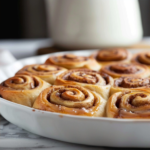
Tender, tangy cinnamon rolls made with sourdough for complex flavor, topped with a creamy dairy-free cream cheese frosting.
- Prep Time:45
- Cook Time:25
- Total Time:70
- Yield:16 rolls
- Category:Bread
- Method:Baking
- Cuisine:American
- Diet:Vegetarian
Ingredients
Active Sourdough Starter, 1 cup (225g)
All-Purpose Flour, 4½ cups (540g)
Granulated Sugar, ½ cup (100g)
Salt, 1½ teaspoons
Warm Milk (105-115°F), ½ cup (120ml)
Unsalted Butter (melted), ½ cup (115g)
Large Eggs, 2
Brown Sugar (for filling), ¾ cup (100g)
Ground Cinnamon (for filling), 1 tablespoon
Cream Cheese (softened), 8 oz (225g)
Powdered Sugar, 1½ cups (200g)
Vanilla Extract, 1 teaspoon
Butter (for topping), ¼ cup (50g)
All-Purpose Flour (for dusting), as needed
Instructions
1. Feed and activate sourdough starter until bubbly.
2. In a bowl, mix flour, granulated sugar, and salt.
3. Add warm milk, melted butter, and beaten eggs to dry ingredients; stir until a dough forms.
4. Knead dough 10-12 minutes until smooth and elastic.
5. First rise: cover and let dough rest at room temperature 3-4 hours until doubled.
6. Roll dough into 18-inch square, spread with brown sugar-cinnamon mixture.
7. Cut into 12-16 rolls, place in greased baking pan.
8. Second rise: cover and refrigerate overnight (8 hours).
9. Preheat oven to 375°F (190°C) and bake 20-25 minutes until golden.
10. Frost rolls with cream cheese icing while warm.
11. Brush with melted non-hydrogenated butter for shine.
Notes
For best sourdough flavor, allow dough to cold ferment overnight. Use a halal-certified cream cheese. Substitute turbinado sugar for a crunchier frosting texture.